
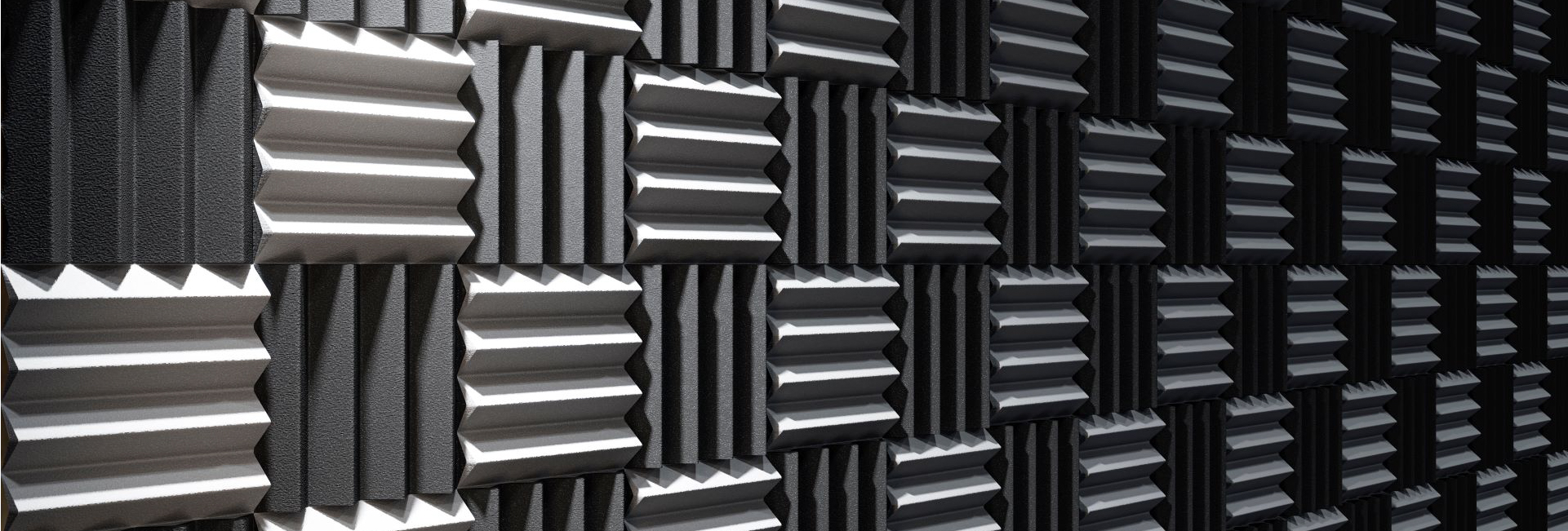
Understanding how sound behaves indoors is essential for anyone designing, renovating, or improving an acoustic environment. Whether it is a recording studio, office, or home cinema, the terms soundproofing and sound absorption often cause confusion. Though both deal with controlling noise, they serve very different purposes. Choosing the right one depends on your goal: keeping sound out, keeping it in, or improving sound quality inside a room.
This article explores the difference between soundproofing and sound absorption, how each works, and how to decide which solution fits your space.
What Is Soundproofing?
Soundproofing refers to blocking sound transmission between spaces. In simple terms, it prevents noise from entering or leaving a room. The goal is to isolate one area acoustically from another so that external noise does not intrude and internal noise does not escape.
Soundproofing works by using materials that stop vibrations from passing through walls, floors, ceilings, doors, and windows. Because sound travels as a vibration, the less it can move a structure, the quieter the other side will be.
Common Soundproofing Techniques
- Adding mass:
Heavy materials such as acoustic plasterboard, mass-loaded vinyl, or dense insulation make it harder for sound waves to pass through walls. - Decoupling structures:
Separating surfaces like double-stud walls or floating floors reduces vibration transfer between materials. - Sealing gaps and cracks:
Even small gaps allow sound to leak. Acoustic sealant, weatherstripping, and proper door sweeps are vital for full sound isolation. - Damping:
Applying damping compounds (for example Green Glue) between layers of drywall absorbs vibrational energy and converts it to heat. - Acoustic doors and windows:
Specialist units with thicker glass or air gaps significantly reduce external noise.
Soundproofing is about stopping sound transmission, not improving how a room sounds inside. That distinction leads to our next topic.
What Is Sound Absorption?
Sound absorption focuses on reducing echo, reverb, and reflection inside a room. Instead of blocking sound from leaving or entering, it controls how sound behaves within the space. Absorptive materials soak up part of the sound energy, preventing it from bouncing around.
This is what improves speech clarity in meeting rooms, recording quality in studios, and listening comfort in homes.
Common Sound Absorption Materials
- Acoustic panels:
Made of foam, fibreglass, or fabric-wrapped materials, these panels absorb mid- to high-frequency sounds effectively. - Carpets and curtains:
Soft furnishings naturally dampen reflections and are an easy, affordable option for mild acoustic treatment. - Bass traps:
Placed in corners, these absorb low-frequency energy that tends to build up in enclosed spaces. - Acoustic ceiling tiles:
Useful in offices or classrooms where speech intelligibility is important.
While soundproofing needs heavy, dense materials, absorption relies on soft, porous ones. This key difference often determines the cost, design, and effectiveness of your acoustic strategy.
Soundproofing vs. Sound Absorption: The Key Differences
|
Feature |
Soundproofing |
Sound Absorption |
|
Purpose |
Stops noise transmission between spaces |
Controls echo and reverberation within a space |
|
Main Materials |
Dense, heavy materials like plasterboard, vinyl, concrete |
Soft, porous materials like foam, fabric, and fibreglass |
|
Result |
Quieter room (noise stays in or out) |
Clearer sound quality inside the room |
|
Typical Uses |
Walls, doors, floors, windows |
Walls, ceilings, corners, and open spaces |
|
Installation Complexity |
Often requires construction or renovation |
Usually surface-mounted or decorative |
|
Cost Range |
Higher |
Lower to moderate |
Knowing this difference helps prevent wasted money on the wrong materials. Many people mistakenly add foam panels expecting them to “soundproof” a room, only to find outside noise still leaks through. Those panels merely absorb echoes inside.
How Soundproofing and Absorption Work Together
The best acoustic environments usually combine both methods. For instance, a home theatre might use soundproofing to keep film audio from disturbing the rest of the house, while also using absorption to improve dialogue clarity and reduce echoes.
Here’s how they can complement each other:
- Soundproofing layer: Heavy construction elements that contain noise.
- Absorptive layer: Panels, carpets, or curtains that refine the room’s acoustics.
Used together, these layers create both isolation and clarity—key ingredients in any professional or comfortable sound environment.
When You Actually Need Soundproofing
You’ll benefit from soundproofing if your main problem is noise transfer. Ask yourself:
- Can I hear traffic, neighbours, or street sounds inside my room?
- Do people outside hear music, instruments, or conversations from my space?
- Do vibrations or footsteps travel easily between floors?
If the answer is yes, you need soundproofing. Typical cases include:
- Home studios needing isolation for recording or mixing.
- Apartments where privacy and quiet are priorities.
- Offices requiring confidential meetings or reduced distractions.
- Cinemas and entertainment rooms where sound containment is essential.
Effective soundproofing ensures peace, privacy, and professionalism.
When You Actually Need Sound Absorption
If the issue is poor audio quality, echo, or difficulty understanding speech, sound absorption is your solution. Ask:
- Does my room sound “boomy” or echoey when I talk or play music?
- Are voices or instruments unclear in recordings?
- Does sound bounce off hard surfaces like walls, floors, or glass?
If so, use absorption materials to treat the room. Common examples include:
- Podcast and recording rooms needing clear, direct sound.
- Classrooms and meeting spaces where speech clarity matters.
- Restaurants and open offices struggling with noise build-up.
- Living rooms where home theatre audio sounds harsh or muddy.
Absorption fine-tunes how a space feels and sounds without altering its structure.
The Science Behind Each Approach
Soundproofing depends on mass, damping, decoupling, and airtightness. The principle is simple: more mass and separation equal less vibration transfer.
Sound absorption, in contrast, depends on porosity and surface area. Air moves into the tiny gaps within a material, losing energy through friction and heat. This process reduces reflected sound energy, softening the overall acoustic environment.
Understanding these mechanisms helps you design smarter. A wall with dense plasterboard blocks sound, while a foam panel manages reflections once that sound is inside.
Cost Considerations
Soundproofing often involves higher material and labour costs. It can mean adding extra walls, upgrading doors, or rebuilding parts of a structure. For renters, this can be impractical.
Sound absorption, however, is far more flexible and cost-effective. Panels, rugs, and curtains can be installed, removed, or rearranged easily. Many affordable DIY kits are available for quick results.
If budget is limited, focus on absorption first to improve comfort and clarity. For long-term investment in peace and privacy, soundproofing is worth the cost.
Tips for Choosing the Right Solution
- Define your problem clearly.
Measure noise levels or record the space to identify whether it’s leakage or echo. - Start small, scale later.
Add simple absorbers like rugs and curtains first. If noise persists, plan for structural soundproofing. - Combine both if possible.
Balanced acoustics often need a mix of blocking and absorption. - Consult an acoustic professional.
For complex spaces, an expert can test frequencies and recommend materials precisely. - Mind aesthetics.
Modern acoustic panels come in decorative styles, colours, and prints, making them suitable for homes as well as workplaces.
Final Thoughts
Soundproofing and sound absorption are two sides of the same acoustic coin. One controls where sound goes, the other controls how sound behaves. Misunderstanding the difference can lead to wasted effort and money, but combining both gives you the best results.
Whether you are setting up a home studio, creating a quiet workspace, or improving your living environment, start by identifying your acoustic goal. Once you know whether the problem is sound escaping or sound reflecting, you can choose materials that deliver true silence, clarity, or both.
Browse our Soundproofing & Acoustic Foam products.