
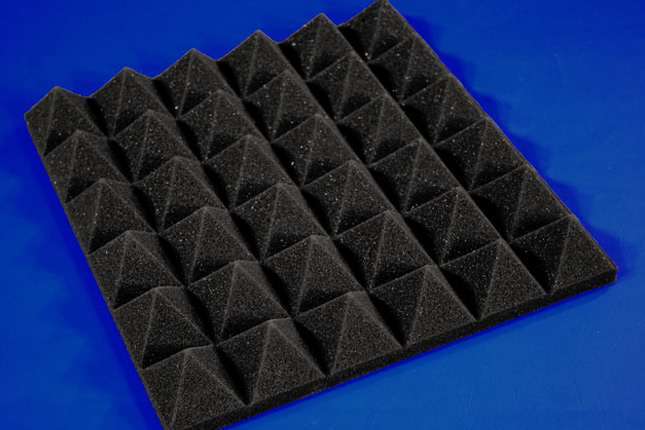
Choosing between PE and EVA foam can make a significant difference to product performance, comfort, and longevity. Both foams are popular across industries such as packaging, construction, footwear, sports, and healthcare. Yet, despite their similar appearance, they behave quite differently when it comes to flexibility, resilience, and density.
Understanding these differences is key to choosing the right foam for your application. Density plays an especially important role, influencing everything from durability to cost.
This guide breaks down what sets PE and EVA apart, how density affects their performance, and how to decide which material fits your needs best.
What Is PE Foam?
Polyethylene (PE) foam is a closed-cell material made from expanded polyethylene. It is lightweight, semi-rigid, and resistant to moisture, chemicals, and impact.
PE foam is often used for:
- Protective packaging for electronics or fragile goods
- Thermal insulation in construction
- Floatation and marine applications
- Padding in sports and fitness equipment
Because it has a fine cell structure, PE foam absorbs shock effectively while maintaining its shape over time. Its resistance to water also makes it ideal for outdoor or wet environments.
What Is EVA Foam?
Ethylene Vinyl Acetate (EVA) foam is a copolymer of ethylene and vinyl acetate. The addition of vinyl acetate gives EVA foam its characteristic softness and rubber-like elasticity.
EVA is more flexible and resilient than PE, which makes it suitable for:
- Footwear midsoles and insoles
- Yoga mats and sports flooring
- Protective gear and helmets
- Crafting and DIY projects
EVA foam feels smoother and more elastic under pressure, offering greater cushioning and rebound. It is often chosen where comfort and flexibility are priorities.
The Role of Foam Density
Density refers to how much material is packed into a given volume of foam, measured in kilograms per cubic metre (kg/m³).
In practical terms:
- Low-density foam is softer, lighter, and more flexible.
- High-density foam is firmer, heavier, and more durable.
Density impacts:
- Compression strength: how much load the foam can bear.
- Resilience: how quickly it returns to shape after compression.
- Shock absorption: how well it dissipates energy.
- Cost: higher density typically means higher material cost.
Both PE and EVA foams come in various densities, usually between 25 kg/m³ and 300 kg/m³ depending on the application.
Comparing PE and EVA Foam by Density
The best way to compare the two is by looking at how density affects performance in each material.
Low-Density Foam (25–60 kg/m³)
- PE foam in this range is ideal for lightweight packaging or padding. It provides good cushioning without adding bulk and is easy to cut or shape.
- EVA foam at low density is extremely soft and flexible, suitable for comfort-focused applications like yoga mats or costume padding.
Medium-Density Foam (60–120 kg/m³)
- PE foam offers a balance of firmness and flexibility. It’s often used for protective cases, impact liners, and sports equipment where moderate durability and cushioning are required.
- EVA foam at medium density provides strong rebound and support, making it perfect for shoe soles or protective sports gear.
High-Density Foam (120–300 kg/m³)
- PE foam in this range becomes very firm and robust, used for heavy-duty packaging, structural padding, or industrial insulation.
- EVA foam at high density delivers premium shock absorption and long-lasting comfort, ideal for professional sports equipment or orthopaedic products.
In essence, both foams can perform across density ranges, but the choice depends on whether you prioritise stiffness (PE) or elasticity (EVA).
Durability and Performance
When comparing durability, PE foam generally retains its structure longer under consistent compression. It resists deformation, making it suitable for repetitive impact environments, such as packaging inserts or construction joints.
EVA foam, while softer, resists cracking and splitting under stress. It also offers excellent resistance to UV radiation, making it suitable for outdoor use or prolonged exposure to sunlight.
Temperature tolerance is another consideration. PE foam performs well in colder temperatures, while EVA maintains flexibility in both hot and cold environments.
Comfort and Aesthetics
If comfort is a priority, EVA foam usually comes out ahead. Its fine, elastic texture offers superior cushioning and tactile appeal. It’s available in vibrant colours, often used in consumer products where appearance matters.
PE foam tends to be more utilitarian, with a slightly firmer feel and more uniform appearance. Its advantage lies in structural consistency rather than comfort.
Cost and Availability
PE foam is generally more affordable due to simpler production and lower raw material costs. It’s widely available in sheets, rolls, or custom-cut forms.
EVA foam is slightly more expensive, especially at higher densities, but offers superior comfort and flexibility. For consumer products or items requiring tactile appeal, the added cost is often justified.
How to Choose the Right Foam Density
When selecting between PE and EVA foam, consider these factors:
- Purpose and application – Is it for cushioning, structural support, or comfort?
- Weight and space – Heavier, denser foams provide strength but may increase total weight.
- Environment – Exposure to moisture, UV light, or temperature extremes can affect longevity.
- Budget – PE offers cost efficiency, while EVA offers premium comfort and aesthetics.
- User experience – EVA suits ergonomic and tactile designs, while PE excels in durability-focused use.
A simple rule:
- Choose PE foam when structure, moisture resistance, and cost matter most.
- Choose EVA foam when flexibility, comfort, and aesthetic quality are priorities.
Final Thoughts
PE and EVA foams each have unique advantages, but the right choice depends heavily on required density and end use. PE delivers structure, water resistance, and affordability. EVA provides flexibility, comfort, and rebound.
By understanding how density influences these properties, designers and engineers can make informed material selections that improve product performance, extend lifespan, and balance cost efficiency with functionality.