
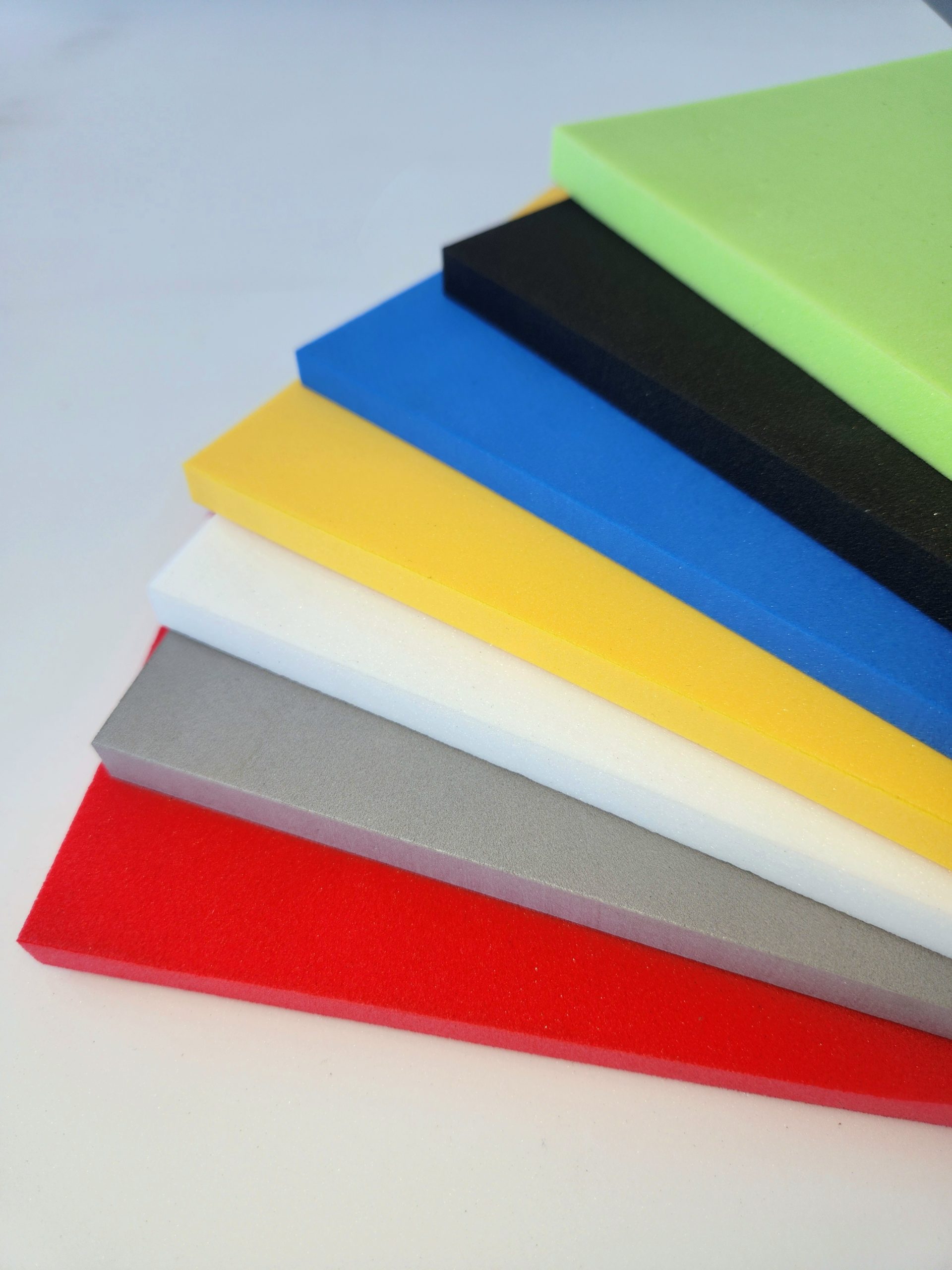
Foam appears in a wide range of products, from mattresses and upholstery to packaging, insulation, and automotive seating. While it may look simple on the surface, foam performance depends heavily on one key measurement: density. Understanding a foam density chart helps manufacturers, designers, and buyers choose the right material for durability, support, comfort, and cost efficiency.
Density is not just a number on a technical sheet. It directly affects how foam performs over time. It influences firmness, lifespan, load-bearing capacity, and resistance to wear. When interpreted correctly, a foam density chart becomes a practical tool that guides smarter purchasing and product development decisions.
This guide breaks down foam density metrics, explains how to read a foam density chart, and explores how different density ranges affect real-world applications.
What Is Foam Density?
Foam density refers to the mass of foam material contained within a specific volume. It is typically measured in kilograms per cubic metre (kg/m³) or pounds per cubic foot (lb/ft³). The measurement represents how much raw material exists within the foam structure.
Higher density foam contains more polymer material packed into the same volume. Lower density foam contains less material and more air.
It is important to understand that density does not automatically equal firmness. A foam can feel soft while still having a high density if the internal cell structure is engineered for flexibility. Density mainly relates to durability and structural strength.
Basic Density Formula
Density is calculated using a simple formula:
Density = Mass ÷ Volume
For example:
- A foam block weighing 24 kilograms with a volume of one cubic metre has a density of 24 kg/m³.
Manufacturers use this measurement to classify foam types and determine suitability for specific applications.
Foam Density Chart Explained
A foam density chart groups foam materials into ranges. Each range reflects expected durability, support characteristics, and typical uses.
Density Range | Classification | Typical Applications |
Below 18 kg/m³ | Ultra Low Density | Disposable packaging, temporary cushioning |
18 to 24 kg/m³ | Low Density | Basic furniture padding, low-cost mattresses |
24 to 32 kg/m³ | Medium Density | Residential mattresses, seat cushions |
32 to 40 kg/m³ | High Density | Premium furniture, long-life cushions |
40+ kg/m³ | Ultra High Density | Medical seating, industrial uses, specialty mattresses |
These ranges provide a quick reference point when selecting foam. However, performance also depends on factors like compression rating, cell structure, and material composition.
Why Foam Density Matters
Choosing the correct density is essential because it affects several key performance characteristics.
Durability
Higher density foams contain more material supporting the internal cell structure. This increases resistance to sagging, compression fatigue, and long-term breakdown.
Lower density foams break down more quickly under repeated pressure.
Load Support
Foam density influences how well the material distributes weight. Higher density foams support heavier loads without collapsing.
This is particularly important for mattresses, seating cushions, and ergonomic support products.
Shape Retention
Foam with higher density maintains its original shape longer. Low density foam may compress permanently after repeated use.
Product Lifespan
Density is one of the strongest predictors of foam longevity. High density foam used in furniture or bedding can last several years longer than low density alternatives.
Density vs Firmness: Understanding the Difference
A common misconception is that dense foam always feels firm. In reality, firmness depends on Indentation Load Deflection (ILD), also known as Indentation Force Deflection (IFD).
Density measures the amount of material.
ILD measures the force required to compress the foam.
This means two foams can have identical density but feel very different.
Example:
Foam Type | Density | ILD Rating | Feel |
Foam A | 35 kg/m³ | 15 ILD | Soft |
Foam B | 35 kg/m³ | 40 ILD | Firm |
Both foams contain the same amount of material, yet their comfort levels differ because of their compression resistance.
Manufacturers often combine density charts with ILD charts when designing comfort products.
Types of Foam and Their Density Ranges
Different foam materials naturally fall within specific density ranges. Understanding these ranges helps match materials to their ideal use cases.
EVA Foam (Ethylene Vinyl Acetate)
EVA foam is a durable closed cell foam known for its flexibility, shock absorption, and water resistance. It is widely used in flooring, sports equipment, and protective padding.
Typical density range: 60 to 120 kg/m³
EVA foam offers a good balance between cushioning and structural support. Its closed cell structure prevents water absorption and increases durability in demanding environments.
Common applications include:
- Interlocking gym and martial arts mats
- Sports safety padding
- Industrial floor tiles
- Protective equipment
Because of its resilience and impact resistance, EVA foam is particularly suitable for environments where repeated impact occurs.
PE Foam (Polyethylene Foam)
Polyethylene foam is a lightweight closed cell material with excellent resistance to moisture, chemicals, and impact.
Typical density range: 20 to 120 kg/m³, depending on the grade and application.
PE foam is commonly used in packaging, insulation, and protective cushioning products.
Typical uses include:
- Protective packaging inserts
- Foam sheets for fabrication
- Construction insulation materials
- Gaskets and sealing products
The closed cell structure provides strong cushioning while maintaining low weight, which makes it ideal for transport protection and industrial uses.
Polyurethane Foam (PU Foam)
Polyurethane foam is the most widely used foam material worldwide. It appears in mattresses, sofas, car seats, and packaging.
Typical density range: 18 to 35 kg/m³
Lower densities are common in low-cost furniture and packaging. Higher densities provide improved durability for seating and bedding.
Advantages include low cost, easy shaping, and wide availability.
High Density Polyurethane Foam
High density PU foam is engineered to improve durability and weight distribution.
Typical density range: 35 to 50 kg/m³
It is commonly used in:
- Premium mattresses
- Commercial seating
- High-end upholstery
- Medical cushions
This foam resists sagging and maintains support over extended periods.
Memory Foam
Memory foam is a viscoelastic material designed to mould around the body in response to heat and pressure.
Typical density range: 40 to 85 kg/m³
Lower density memory foam reacts faster and feels softer. Higher density versions provide stronger contouring and longer durability.
Common uses include:
- Mattresses
- Mattress toppers
- Orthopaedic cushions
- Medical support products
Latex Foam
Latex foam can be produced using natural latex, synthetic latex, or blended formulations.
Typical density range: 55 to 90 kg/m³
Latex is known for:
- High elasticity
- Strong resilience
- Natural breathability
Because of its higher density and durability, latex foam is commonly used in premium bedding products.
Comparing Foam Density Across Materials
The table below summarises typical density ranges for common foam materials.
Foam Type | Typical Density Range | Common Applications |
Polyurethane Foam | 18 to 35 kg/m³ | Furniture cushions, packaging |
High Density PU Foam | 35 to 50 kg/m³ | Premium seating, mattresses |
Memory Foam | 40 to 85 kg/m³ | Mattresses, pressure relief products |
Latex Foam | 55 to 90 kg/m³ | High-end bedding, ergonomic seating |
EVA Foam | 60 to 120 kg/m³ | Gym mats, sports padding, flooring |
PE Foam | 20 to 120 kg/m³ | Packaging inserts, insulation, foam sheets |
This comparison highlights how foam density varies significantly depending on material type and application requirements.
Foam Density Applications Across Different Industries
A foam density chart becomes far more useful when applied to real products. Different industries rely on specific foam densities to achieve durability, protection, flexibility, or cushioning. Choosing the correct density ensures that the foam performs well under the conditions it is designed for.
Below are several common product categories where foam density plays an important role.
Sound Proofing and Acoustic Foam
Acoustic foam is designed to absorb sound waves and reduce echo within a space. It is commonly used in recording studios, podcast rooms, home cinemas, and industrial environments where noise control is important.
Soundproofing foam typically falls within the 24 to 32 kg/m³ density range, although specialised acoustic materials may use slightly higher densities depending on performance requirements.
Lower density foam allows sound waves to enter the foam structure and dissipate within the open cell network. The pyramid, wedge, or egg-crate shapes increase surface area and improve sound absorption.
Typical applications include:
- Recording studio wall panels
- Home theatre sound treatment
- Industrial noise reduction
- Broadcast and podcast studios
A foam density chart helps identify the correct density needed to balance sound absorption and lightweight installation.
Building and Construction Products
Foam materials are widely used in construction because they are lightweight, flexible, and resistant to moisture. Density plays a key role in determining structural strength and insulation performance.
Construction foams often use medium to high density materials ranging from 30 to 50 kg/m³.
Common uses include:
- Expansion joint fillers
- Insulation layers
- Protective edge strips
- Structural cushioning materials
Higher density foam improves durability in construction environments where materials must withstand pressure, vibration, and temperature variation.
Industrial Flooring Solutions
Foam flooring products are widely used in gyms, workshops, warehouses, and industrial workspaces. These products must withstand repeated foot traffic while providing cushioning and impact protection.
Industrial flooring products often use high density EVA or PE foam between 60 and 120 kg/m³, depending on the application.
Benefits of higher density foam flooring include:
- Improved durability
- Impact absorption
- Anti-fatigue support for workers
- Slip resistance and safety
Interlocking foam tiles allow flexible installation and easy replacement in commercial environments.
Gaskets and Sealing Strips
Foam gaskets and sealing strips prevent water, dust, air, and vibration from entering sensitive spaces. These products rely heavily on foam density and compression properties.
Closed-cell foams are typically used in these applications because they resist moisture and maintain shape under pressure.
Common density ranges include 80 to 200 kg/m³, depending on sealing strength and compression requirements.
Typical applications include:
- Door and window seals
- HVAC sealing strips
- Automotive gaskets
- Electronic equipment enclosures
Higher density foam improves long-term compression recovery, which is essential for effective sealing performance.
Protective Packaging Inserts
Packaging inserts protect fragile items during shipping and storage. Foam density determines how well the material absorbs shock and protects the product.
Packaging foams typically use low to medium densities between 18 and 35 kg/m³.
These densities provide cushioning while keeping packaging lightweight and cost effective.
Common uses include:
- Tool cases
- Electronics packaging
- Medical equipment storage
- Protective shipping inserts
Precision cutting technology allows foam inserts to be customised to match product shapes exactly.
Closed Cell Foam Sheets
Closed cell foam sheets are versatile materials used across many industries. Because the cells are sealed, these foams resist moisture and provide strong structural support.
Common materials include PE foam (polyethylene) and EVA foam (ethylene vinyl acetate).
Typical density ranges include 30 to 120 kg/m³, depending on the application.
Closed cell foam sheets are commonly used for:
- Cushioning and protective layers
- Construction insulation
- Industrial components
- Craft and fabrication uses
Higher density versions provide greater durability and structural strength.
Promotional and Print Products
Foam is also used for promotional products, especially desk mats and non-slip printing surfaces.
These materials typically use medium density foam around 25 to 40 kg/m³ to balance flexibility and durability.
Key benefits include:
- Non-slip surface for desks
- Smooth printable surface for branding
- Comfortable cushioning for workspaces
Foam density affects both the feel of the mat and how well it maintains its shape over time.
Sports and Safety Products
Sports and safety products require foam that can absorb impacts and reduce injury risk. Density and resilience are both important factors.
Many sports mats use EVA foam densities between 80 and 120 kg/m³ to provide the correct balance between cushioning and stability.
Typical applications include:
- Martial arts mats
- Gym flooring
- Protective wall padding
- Playground safety surfaces
Higher density foam provides stronger support during repeated impact.
Choosing the Right Foam Density for Your Application
A foam density chart is a useful starting point when selecting materials. However, the correct choice depends on several practical factors.
Key considerations include:
- Load and pressure requirements
- Frequency of use
- Exposure to moisture or temperature changes
- Required durability and lifespan
By combining density information with other specifications such as compression strength and material type, manufacturers can select foam that performs reliably across a wide range of industries.
Understanding foam density allows businesses to choose materials that improve product performance while controlling costs and maintaining long-term durability.
Final Thoughts
A foam density chart is more than a technical reference. It acts as a guide for selecting materials that deliver the right balance of durability, comfort, and structural support.
Density determines how much material exists inside the foam structure, which directly influences product lifespan and load performance. When combined with firmness measurements such as ILD, density data provides a clear framework for choosing the correct foam for furniture, bedding, packaging, and industrial applications.
Anyone working with foam materials benefits from understanding density ranges and how they relate to real-world performance. With the right density selection, manufacturers can improve product reliability while buyers gain longer-lasting comfort and value.