
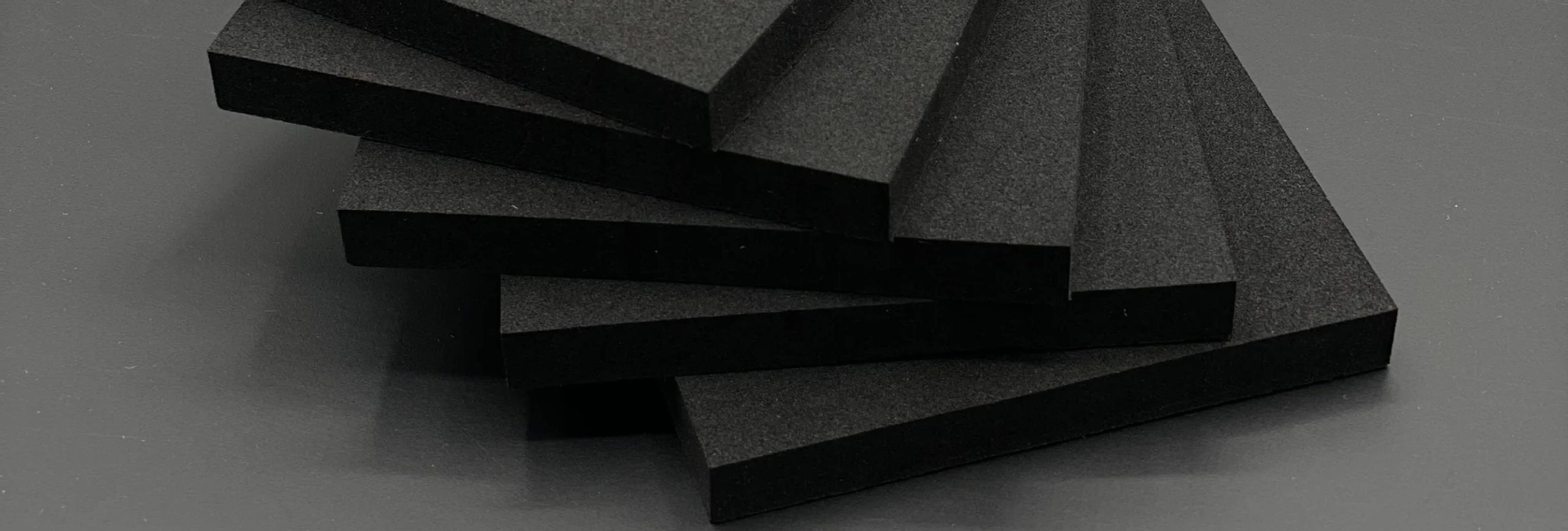
Choosing the right packaging material can shape how well your product survives shipping, storage, and handling. Among the most widely used cushioning materials, PE foam and PU foam often come up in the same conversation. They may look similar at a glance, yet their structure, performance, and use cases differ in ways that matter.
This guide breaks down PE foam vs PU foam in a practical, easy-to-understand way, helping you decide which one suits your packaging needs.
Understanding PE Foam (Polyethylene Foam)
PE foam, short for polyethylene foam, is a closed-cell foam known for its durability and resistance to moisture. It has a firm yet lightweight structure, making it ideal for protective packaging where strength and resilience matter.
Key Characteristics of PE Foam
- Closed-cell structure prevents water absorption
- High impact resistance protects fragile items
- Lightweight yet strong
- Smooth surface suitable for premium packaging
- Reusable and recyclable in some cases
Common Packaging Applications
PE foam is widely used for:
- Electronics packaging (laptops, monitors, phones)
- Industrial equipment protection
- Medical devices
- Automotive parts
- Export packaging where durability is essential
Understanding PU Foam (Polyurethane Foam)
PU foam, or polyurethane foam, features an open-cell structure. This gives it a softer, more flexible feel compared to PE foam. It is often chosen when cushioning and shock absorption are the top priorities.
Key Characteristics of PU Foam
- Open-cell structure allows air flow
- Soft and flexible texture
- Excellent cushioning ability
- Absorbs shock effectively
- Less resistant to moisture
Common Packaging Applications
PU foam is commonly used for:
- Delicate items like glassware
- Furniture padding
- Cosmetic and luxury packaging inserts
- Audio equipment
- Lightweight fragile goods
PE Foam vs PU Foam: 6 Core Differences
Understanding the differences between PE foam and PU foam helps avoid costly packaging mistakes. Each material has strengths that suit specific scenarios.
1. Structure and Composition
- PE Foam: Closed-cell, dense, and rigid
- PU Foam: Open-cell, soft, and compressible
This structural difference is the foundation of how each foam performs.
2. Cushioning vs Support
- PE Foam offers firm support and shape retention
- PU Foam provides superior cushioning and softness
If your product needs to stay in place, PE foam works better. If it needs gentle protection, PU foam is the stronger choice.
3. Moisture Resistance
- PE Foam resists water and humidity
- PU Foam absorbs moisture more easily
This makes PE foam more suitable for shipping in unpredictable environments.
4. Durability
- PE Foam is more durable and long-lasting
- PU Foam can degrade faster with repeated use
For reusable packaging, PE foam often wins.
5. Weight and Density
- PE Foam tends to be denser
- PU Foam is lighter and more compressible
This affects shipping costs and storage efficiency. Read our guide on Foam Density.
6. Cost Considerations
- PU Foam is generally cheaper
- PE Foam can be more expensive but offers better longevity
Budget-sensitive projects may lean toward PU foam, while high-value goods justify PE foam.
When to Choose PE Foam for Packaging
PE foam is the better option when strength, durability, and environmental resistance matter most.
Ideal Use Cases
- Heavy or high-value products
- Electronics requiring firm support
- Long-distance shipping
- Outdoor or humid conditions
- Reusable packaging systems
Why It Works
Its rigid structure prevents movement inside the packaging, reducing the risk of internal damage. It also maintains its shape over time, which is critical for consistent protection.
When to Choose PU Foam for Packaging
PU foam shines when cushioning and flexibility are more important than rigidity.
Ideal Use Cases
- Fragile, lightweight items
- Products with irregular shapes
- Presentation packaging
- Short-distance shipping
- Cost-sensitive packaging solutions
Why It Works
PU foam conforms to the shape of the product, offering a snug fit that absorbs shocks effectively.
What is the Environmental Impact and Sustainability of both?
Sustainability is becoming a major factor in packaging decisions.
PE Foam
- More durable and reusable
- Some grades are recyclable
- Longer lifecycle reduces waste
PU Foam
- Typically less recyclable
- Shorter lifespan
- More waste in single-use applications
If sustainability is a priority, PE foam often has an advantage due to its reusability.
Customisation and Packaging Design
Both PE and PU foams can be customised, but they behave differently during manufacturing.
PE Foam
- Easy to cut into precise shapes
- Clean edges for professional packaging
- Often used in engineered packaging designs
PU Foam
- More flexible for intricate shapes
- Ideal for soft inserts
- Common in presentation-focused packaging
Industry-Specific Recommendations
Electronics Industry
PE foam is preferred due to its anti-static variants and strong protection.
Furniture and Interiors
PU foam is commonly used for cushioning and padding.
Medical Equipment
PE foam offers hygiene, durability, and structural integrity.
Retail and Luxury Goods
PU foam provides a softer, more premium feel.
Pros and Cons of PE & PU Foam
PE Foam | PU Foam | ||
Pros | Cons | Pros | Cons |
Durable and long-lasting | Higher cost | Soft and highly cushioning | Less durable |
Water-resistant | Less flexible | Cost-effective | Absorbs moisture |
Strong structural support | Flexible and adaptable | Not ideal for heavy items | |
Reusable | |||
Which Is Better for Packaging?
The answer depends on what you need your packaging to do.
- Choose PE foam if you prioritise durability, structure, and protection in demanding conditions
- Choose PU foam if cushioning, flexibility, and cost are more important
For many businesses, the decision is not about which foam is better overall, but which foam is better for a specific product.
Final Thoughts
Packaging is more than just wrapping a product. It is a layer of protection, a part of the customer experience, and often a reflection of your brand. PE foam and PU foam each bring unique strengths to the table.
If your products travel far, face rough handling, or require long-term protection, PE foam is a solid investment. If your focus is on presentation, softness, and affordability, PU foam delivers where it matters.
Choosing the right material upfront can save money, reduce damage rates, and improve customer satisfaction over time.