
Neoprene Rubber Sheets and Sponge, Cut to Size

Neoprene sheet, sponge and strip cut to your dimensions. Oil resistant, weather resistant and stable across a wide temperature range, converted on our own floors in Cape Town and Durban and delivered anywhere in South Africa.

Why specifiers reach for neoprene

Neoprene is a synthetic rubber that does several things reasonably well rather than one thing brilliantly. It resists oil and grease, shrugs off weather and ozone, holds up from well below freezing to around 100 degrees Celsius, and is self-extinguishing rather than feeding a flame.

That combination is why it turns up in gaskets around machinery, weather seals on plant, vibration pads under equipment and protective linings in workshops. Where natural rubber would swell in oil and EPDM would soften, neoprene keeps working.

A note on terminology: the neoprene used for wetsuits is a foamed sheet laminated to fabric. What we supply is industrial neoprene, in solid sheet and closed cell sponge, for sealing, gasketing and protection.
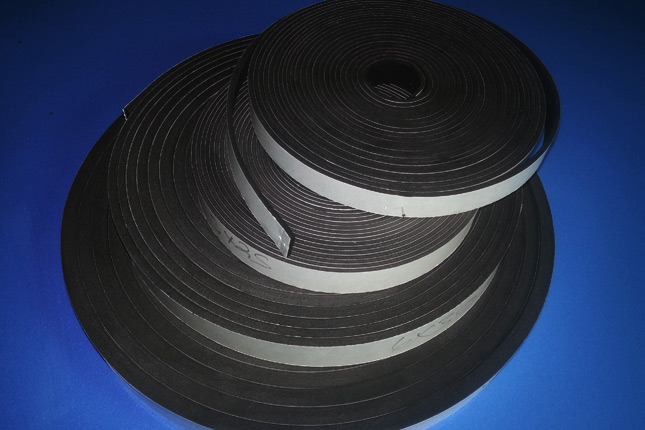
Neoprene rubber sheet and sponge strip cut into gaskets and sealing profiles

Forms we supply

Solid neoprene sheetDense sheet for gaskets, washers, pads and protective linings where the rubber takes load, abrasion or oil contact.
Neoprene spongeClosed cell sponge that compresses under light pressure and springs back. The choice for seals on lids, hatches and enclosures that shut without much force.
Strip and profilesCut to the width and length you need, with adhesive backing applied where the strip presses onto a clean surface.
Cut gasketsFlange gaskets, gland packing shapes and custom profiles cut to your drawing or to a template you send us.

Where it gets used

Machinery sealingGaskets and seals around pumps, compressors and plant where oil and grease are present.
Vibration padsIsolation pads under machines, generators and mountings to cut vibration transfer into the floor.
Weather sealsOutdoor sealing on hatches, cabinets and enclosures that also sees oil or fuel exposure.
Protective liningsChute, hopper and bin linings that take impact and abrasion without tearing.
Flange gasketsCut gaskets for pipe flanges, inspection covers and equipment joints.
Anti-slip padsGrip pads and packers where a surface needs to stay put under load.
Not sure if neoprene is the right rubber?Tell us what the part touches, how hot it gets and what it has to seal. We will tell you if neoprene is right or if EPDM or nitrile suits the job better.

Request a quote

Neoprene against the alternatives

Neoprene against EPDM. EPDM is the better outdoor rubber, holding up to sunlight and ozone for longer. Neoprene is the one to pick the moment oil, grease or fuel is in the picture, because EPDM swells in petroleum products and neoprene does not.

Neoprene against natural rubber. Natural rubber has better tear strength and rebound, and costs less. It has poor resistance to oil, weather and ozone. Use natural rubber indoors where the job is impact and abrasion, and neoprene where the environment is working against the part.

Neoprene against nitrile. Nitrile beats neoprene on oil and fuel resistance and is the specialist choice for fuel systems. Neoprene handles weather and temperature range better, so it is the more general purpose of the two.

Frequently Asked Questions

Is neoprene oil resistant?
Yes, which is the main reason specifiers choose it. Neoprene holds its shape and properties in contact with oil and grease, where natural rubber and EPDM swell and soften. For constant contact with fuel, nitrile resists better still, so tell us what the part is exposed to and we will specify it.
What is the difference between neoprene sheet and neoprene sponge?
Solid sheet is dense rubber. It takes load, abrasion and pressure, and suits gaskets, pads and linings. Sponge is closed cell and full of sealed bubbles, so it compresses under light pressure and springs back, which suits seals on lids and enclosures that close without much force.
What temperature can neoprene handle?
Neoprene works reliably from roughly minus 40 up to around 100 degrees Celsius, with short excursions higher. That range covers most industrial sealing and gasketing in South African conditions. If your application runs hotter, tell us the figure and we will look at a silicone grade instead.
Can you cut neoprene gaskets to my drawing?
Yes. Send a drawing, a template or the dimensions and we cut gaskets, washers, strip and profiles to match on our own floors in Cape Town and Durban. Adhesive backing can be applied before the parts ship.