
EPDM Rubber Sheet and Strip, Cut to Size

EPDM sheet, sponge and strip cut to your dimensions. The rubber to specify when the part lives outdoors, converted at our Cape Town and Durban floors and delivered anywhere in South Africa.

The outdoor rubber

EPDM stands for Ethylene Propylene Diene Monomer. Its defining property is that it does not care about weather. Ultraviolet light, ozone, rain and heat cycling are what destroy most rubbers, and EPDM resists all of them for years rather than months.

Natural rubber left in South African sun will craze and crack inside a year. EPDM in the same position is still sealing a decade later. That single difference is why it has become the default for roof detailing, weather seals, door and hatch gaskets and anything exposed to the sky.

It also handles water, steam and many diluted chemicals well. The one thing it does not tolerate is petroleum oil and grease, which swell it. Where oil is present, neoprene or nitrile is the right specification.
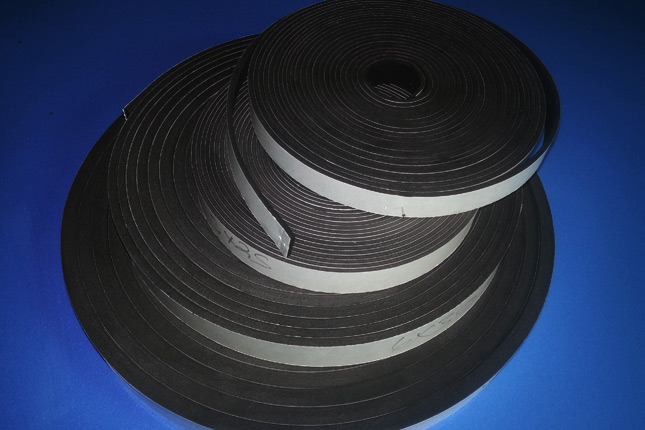
EPDM rubber strip and cut gaskets for outdoor weather sealing

Forms we supply

EPDM sheetSolid sheet cut to size for gaskets, pads, linings and flashing detail.
EPDM spongeClosed cell sponge that compresses under light pressure, for seals on lids, hatches and enclosures.
EPDM stripCut to the width and length you specify, with adhesive backing applied where it presses onto a clean surface.
Cut gasketsFlange gaskets, washers and custom profiles cut to your drawing or template.

Where it gets used

Weather sealsDoor, hatch and panel seals that sit in sun and rain year round without perishing.
Roofing detailFlashing, upstand and penetration detail where the rubber has to stay flexible outdoors.
Building jointsExpansion joint fillers and movement joint seals in construction work.
Water systemsGaskets and seals in contact with water, including hot water and steam applications.
EnclosuresDust and moisture seals on outdoor cabinets, meter boxes and equipment housings.
Vehicle canopiesWeather sealing on canopies, tonneau covers and access panels.
Outdoors or around oil?That one question usually decides between EPDM and neoprene. Tell us what the part is exposed to and we will specify the right rubber.

Request a quote

When not to use EPDM

Anywhere petroleum oil or fuel is present. EPDM swells and softens in contact with mineral oils, grease, petrol and diesel. This is its one real weakness, and it is not a marginal effect. Specify neoprene for general oil contact, or nitrile for constant fuel contact.

Where abrasion is the main load. EPDM seals well but is not the toughest rubber against wear. For chute linings, impact pads and anything being scraped, natural rubber or a solid rubber grade will last longer.

At very high temperatures. EPDM is comfortable to around 120 degrees Celsius, higher in steam. Beyond that, silicone is the material to look at.

Frequently Asked Questions

How long does EPDM last outdoors?
Properly specified and installed, EPDM sealing routinely gives a decade or more in South African conditions without perishing. It is the ultraviolet light and ozone resistance that buys that life. Natural rubber in the same position typically crazes and cracks within a year.
Can EPDM be used with oil?
No. EPDM swells and softens in contact with petroleum oils, grease, petrol and diesel. This is its main limitation. Where oil or grease is present, neoprene is the usual substitute, and for constant fuel contact nitrile resists better again.
What is the difference between EPDM sheet and EPDM sponge?
Sheet is solid rubber and suits gaskets, pads and linings where the part takes pressure or load. Sponge is closed cell, so it compresses easily and springs back, which suits seals on lids, hatches and enclosures that close without much force behind them.
Do you cut EPDM strip to length?
Yes. We convert EPDM from sheet and roll on our own floors, so strip is cut to the width, thickness and length you give us rather than to a stock size. Adhesive backing can be applied before it ships, and gaskets can be cut to a drawing or template.