
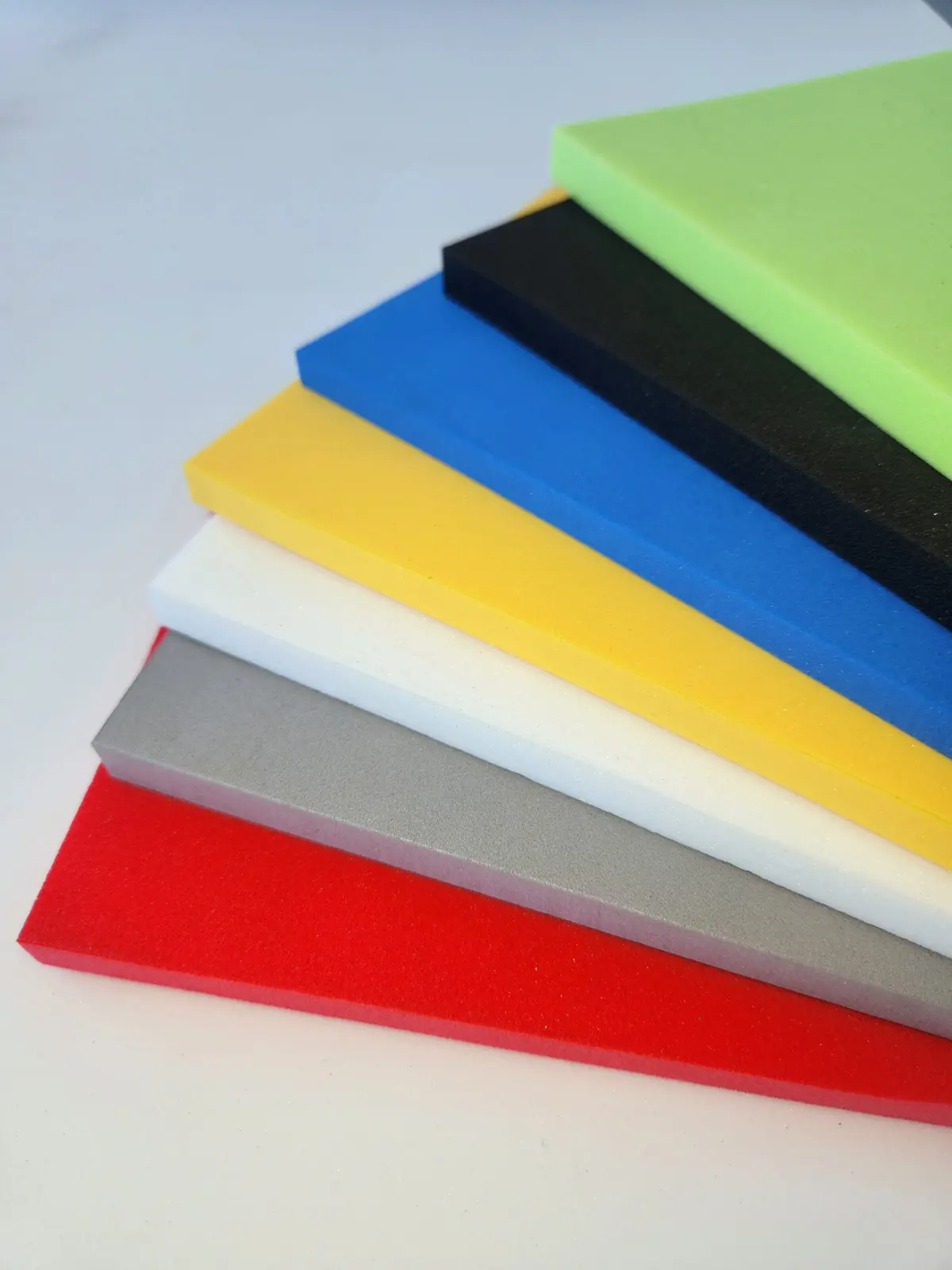
Foam offcuts are the pieces left over when foam sheet or block is cut down for a project. They can be polyurethane, polyethylene, EVA or rubber foam. Rather than going in the bin, most foam offcuts can be reused for cushion repairs, protective packaging, crafts, prop making and short runs of pipe lagging.
iFoam supplies foam and rubber cut to size from its Cape Town and Durban branches, so you buy close to the size you need and waste less. iFoam does not sell offcuts. This guide covers practical ways to reuse the leftover pieces from your own projects.
What Are Foam Offcuts?
Foam offcuts are the pieces left after a larger sheet or block has been cut to size. “Offcuts” and “remnants” mean the same thing: by-products of cutting, not faulty material. They are simply irregular in shape and size.
Upholsterers, packaging teams, shopfitters and home builders all end up with offcuts. The type you have depends on the job. Seating work leaves PU, packaging and insulation leave closed-cell PE, matting and prop work leave EVA, and gasket cutting leaves rubber.
Reusing offcuts keeps usable foam out of landfill and gets more value from material you have already paid for.
Key principle: Know what foam an offcut is before you reuse it. PU, PE and EVA behave very differently with water, weight and heat.
8 Practical Uses for Foam Offcuts
Foam offcuts have practical uses in the home, the workshop and the packing room. Here are eight of the most common, with the foam type that suits each one.
1. Beanbag and Cushion Filling
Shredded PU foam, also called foam chips or crumb foam, is a common filling for beanbags and floor cushions. It is made by shredding PU offcuts into small irregular pieces. Chips from more resilient foam hold their shape and comfort for longer, so the source foam matters.
2. Protective Packaging and Void Fill
Foam offcuts packed into shipping boxes stop fragile items moving in transit. They work well for electronics, crockery, glassware, artwork and small machine parts. Closed-cell PE offcuts suit anything that must stay dry because they do not absorb water. For products shipped regularly, purpose-cut foam packaging inserts give a better, more consistent fit.
3. Craft Projects and School Work
PE and EVA foam scraps are handy for school projects, art displays, collage backing and model-making. Leftover pieces come in a mix of thicknesses and densities, which gives crafters plenty of options. They are light and easy to cut with ordinary scissors.
4. Cosplay Props and Costume Armour
EVA foam is the go-to material for cosplayers and prop makers. It is light, can be shaped with a heat gun and takes acrylic paint and flexible sealers well. EVA offcuts are useful for testing armour panels, weapon props and costume details before cutting into a full sheet. See the guide to EVA foam uses for more ideas.
5. Seat Cushion Re-padding and Upholstery Repairs
PU foam offcuts can replace worn padding in dining chairs, headboards, caravans and boat benches. Density matters for seating, because foam that is too light will flatten quickly. Keep offcuts for small or low-use seats. For seats used every day, see the guide to high-density foam for couch cushions.
6. Pipe Lagging and Insulation
Closed-cell PE offcuts can be wrapped around exposed water pipes to reduce heat loss and protect against the cold. Because closed-cell PE does not absorb water, it suits pipes in garages, workshops and outdoor areas. For long runs, purpose-made pipe lagging is still the better option. Offcuts work well for short or temporary jobs.
7. Floor and Surface Protection
Flat foam offcuts under furniture legs protect tiled and wooden floors from scratches and dents. In workshops and garages, foam offcuts on concrete floors make standing work more comfortable. PE and EVA offcuts are especially good for this because they keep their shape under repeated pressure.
8. Gardening Uses
Some gardeners use foam pieces in the bottom of large pots to reduce their weight. General PU foam is not made for contact with plant roots or growing media, so keep it out of the soil itself.
How to Cut Down on Foam Offcuts
The simplest way to reduce waste is to order foam close to the size you need. iFoam cuts foam and rubber to size at its Durban and Cape Town branches, so you are not left with large unused sections of a full sheet.
Before ordering, measure the finished piece and allow for any wrap or cover. Give the branch the length, width, thickness and foam type, and ask about density for anything that will be sat on.
- Need a precise size: See the guide to foam cut to size.
- Not sure which foam to use: Browse iFoam’s full foam range.
Why Reuse Foam Offcuts?
Reusing foam offcuts has three practical advantages.
Lower cost. You get more use from foam you have already bought, which saves money on small and one-off jobs.
Less waste. Leftover pieces stay out of landfill.
Room to test. Offcuts let you try a cut, a glue or a finish before working on a full sheet.
Key Terms Explained
Foam offcuts: Pieces of foam left after a sheet or block has been cut to size. Also called remnants. Not faulty, just irregular in shape and size.
Foam chips (crumb foam): Small irregular pieces made by shredding PU foam offcuts. A common filling for beanbags and floor cushions.
Polyurethane (PU) foam: A flexible, open-cell foam used in upholstery, bedding and cushioning. Its density and firmness decide what it is suited to.
Polyethylene (PE) foam: A closed-cell foam that resists moisture, is chemically stable and light. Used for packaging, pipe lagging and matting. Firmer than PU foam.
EVA (ethylene-vinyl acetate) foam: A flexible, closed-cell foam that can be heat-shaped and painted. The standard material for cosplay armour, sports mats and padding.
Density (kg/m³): The weight of a cubic metre of foam. Denser foam lasts longer and supports more; lighter foam is softer. See the foam density chart for more.
Open-cell foam: Foam with broken cell walls that let air and moisture through. Soft and breathable, but not suited to wet conditions. The open-cell vs closed-cell foam guide explains the difference.
Resources
- iFoam, foam and rubber product range.
- iFoam, foam cut to size.
- iFoam, EVA foam uses.
- iFoam, foam density chart.
- iFoam, contact page for branch enquiries in Durban and Cape Town.
Frequently Asked Questions
Are foam offcuts the same as foam remnants?
Yes. Both terms mean the pieces of foam left after a sheet or block has been cut to size. They are by-products of cutting, not faulty or second-grade material. Unlike cut-to-size foam, they are irregular and not cut to any particular dimension.
Does iFoam sell foam offcuts?
No. iFoam supplies foam and rubber cut to size and does not sell offcuts or foam chips. Ordering foam cut close to the size you need is the best way to keep leftover pieces to a minimum.
Are foam offcuts suitable for beanbag filling?
Shredded PU foam made from offcuts is a common beanbag filling. Chips made from resilient foam keep their bounce for longer than chips made from lighter, softer foam. If comfort and durability matter, use offcuts from good-quality seating foam.
What is the difference between foam offcuts and cut-to-size foam?
Cut-to-size foam is cut to your exact measurements from a known foam type and density. Offcuts are irregular leftovers from earlier cutting. They work for jobs where exact size does not matter, but not where shape or density must be precise.
How do I know what density a foam offcut is?
Without a label, density is hard to judge by feel. Denser foam feels firmer and heavier for its size. If density matters, such as for seat cushions, cut-to-size foam with a confirmed density is the safer choice.
Can foam offcuts be used for upholstery repairs?
Yes, PU offcuts are often used for small upholstery jobs such as dining chair cushions, car seat padding and caravan benches. The main thing to check is density, because seat foam needs to be dense enough not to flatten quickly.
Are foam offcuts safe for children’s crafts?
PE and EVA foam scraps are widely used in school projects and crafts and are generally fine to handle with adult supervision. Avoid pieces with adhesive backing or coatings for young children. If you are unsure what a piece is made of, leave it out of young children’s projects.
How is crumb foam made from offcuts?
Crumb foam, or foam chips, is made by feeding PU foam offcuts through a shredder. The result is light, squashy filling for beanbags and cushions. Its quality depends on the density and resilience of the foam it was made from.
Can I use foam offcuts for pipe insulation?
Closed-cell PE offcuts can work as pipe lagging on short runs in garages, workshops or outdoor areas, because they do not absorb moisture. For long runs, building work or very hot pipes, purpose-made pipe lagging is the better choice.
What is the best foam for cosplay armour?
EVA foam is the standard choice. It is light, can be shaped with a heat gun, holds detail when carved or sanded, and takes acrylic paint and flexible sealers well. EVA offcuts are handy for prototyping armour panels and props before cutting a full sheet.
Final Thoughts
Foam offcuts are worth keeping. Leftover PU, PE and EVA pieces make good cushion filling, protective packing, craft material, prop foam and quick floor protectors, as long as exact size and density do not matter.
For your next project, order foam cut close to the size you need so there is less waste from the start, then put any remaining foam offcuts to use. Contact iFoam in Durban or Cape Town for foam cut to size.