The short answer to “is polystyrene recyclable” is yes, with a catch. Expanded polystyrene (EPS) can be melted down and reprocessed, but it is bulky, light and has to be clean. That is why so much of it never reaches a recycler.
iFoam supplies polystyrene for construction work and cuts closed cell PE and EVA foam into packaging inserts at its Cape Town and Durban branches. This guide covers where polystyrene can be recycled and when a reusable foam insert keeps packaging out of the bin for longer.
Polystyrene Is Technically Recyclable
Polystyrene is a thermoplastic, so it softens when heated and can be formed again. EPS foam is mostly trapped air, which makes loose foam expensive to move. Recyclers usually compact clean EPS into dense blocks before it is reprocessed into new plastic products.
Myth: Polystyrene cannot be recycled.
Reality: The material can be recycled. The hard part is collecting enough clean polystyrene to make the trip to a recycler worthwhile.
Key principle: The material is not the problem. Collection is.
Why Most Polystyrene Still Ends Up in Landfill
A bakkie full of polystyrene weighs very little, so collecting it costs a lot for the amount of material recovered. Contamination adds to the problem. Food trays, cups and packaging covered in tape or grease are often rejected, because recyclers need clean foam.
Mixed loads cause trouble too. Moulded packaging blocks, loose chips and food trays are not always accepted together. In practice, the answer to “is polystyrene recyclable” depends on a collection point near you that will take it.
Where to Recycle Polystyrene in South Africa
Not every kerbside collection accepts polystyrene, so it usually goes to a dedicated drop-off point. Start with your municipality’s recycling guide, which sets out what residents can recycle at home and where the nearest drop-off sites are.
Before you drop polystyrene off:
- Clean it: Remove tape, labels, cardboard and food, because dirty foam is usually turned away.
- Sort it: Keep moulded packaging blocks separate from loose chips and food trays.
- Check first: Ask the drop-off point which types it accepts before you load the car.
Polystyrene and Polyethylene Foam Compared for Packaging
Recycling deals with the end of a package’s life. Reuse decides how soon that end arrives, and this is where EPS and polyethylene foam packaging inserts behave very differently.
Reuse and Durability
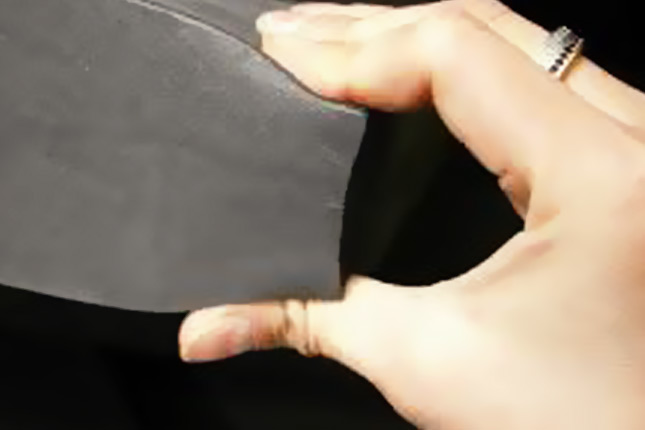
EPS is rigid. A knocked corner can crack, and a scraped surface can shed beads into the box. Closed cell PE foam flexes instead, so an insert in a returnable case can go out, come back and go out again. Our T5 grade, a closed cell blend of PE and EVA, has a good memory and recovers well after compression.
Protection and Fit
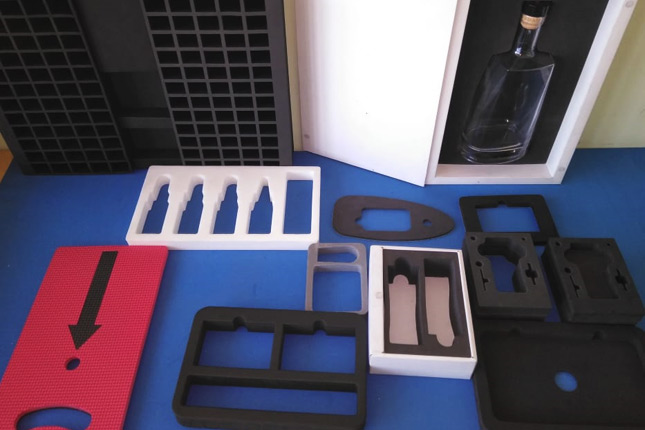
Moulded EPS is usually shaped around one product for one trip. We cut custom foam inserts from open or closed cell foam using die-cutting, CNC or laser cutting, so each item sits in its own cavity. Closed cell foam gives firm, impact-resistant support for heavy items. Open cell foam is softer and suits delicate products.
| EPS foam | PE foam | |
|---|---|---|
| Structure | Rigid beads | Flexible closed cell |
| On impact | Can crack | Flexes and recovers |
| Debris | Can shed beads | Does not shed beads |
| Best fit | Light, single-use packaging | Inserts that make many trips |
EPS still has its place. It is light and low cost, which suits one-way packaging and building work. That is why polystyrene sits in our building and construction range, alongside backing cord and joint fillers.
Choosing Reusable Packaging Foam for Repeat Shipments
A single-use insert in a case that ships every month becomes a monthly cost and a monthly bin bag. A reusable foam insert makes that trip many times before it needs replacing, which makes it the practical choice among polystyrene packaging alternatives for repeat shipments.
Match the grade to the load:
- PE33: A closed cell polyethylene foam at 33 kg/m³ and around 17 Shore C, used for general packaging.
- PE45: A firmer polyethylene foam at 45 kg/m³ and around 26 Shore C, listed for tooling inserts, packaging and impact resistance.
- T5: A PE and EVA blend at 80 kg/m³ and around 30 Shore C, used for packaging inserts that need a firm foam.
Our closed cell PE and EVA sheets come in densities of 30 to 120 kg/m³, and both branches can supply foam cut to size. The foam density chart explains how to read these figures, and our guide to foam packaging inserts that protect products in transit covers cavity design in more detail.
Key principle: The more often a case travels, the more a reusable insert saves in packaging and waste.
Resources
- iFoam, foam packaging and foam inserts.
- iFoam, foam packaging in Cape Town.
- iFoam, foam packaging in Durban.
- iFoam, closed cell foam sheets.
- iFoam, PE foam vs PU foam.
- iFoam, foam types explained.
- iFoam, construction foam explained.
Frequently Asked Questions
Can polystyrene go in the recycling bin?
Not always. Many South African kerbside collections do not take polystyrene because it is bulky and light, so it is usually taken to a drop-off point. Your municipality’s recycling guide will say what is accepted in your area.
Is polyethylene foam better than polystyrene for packaging?
For packaging that is used more than once, usually yes. Polyethylene foam flexes and recovers instead of cracking, does not shed beads and can be cut into inserts that last many trips. Polystyrene is light and cheap, so it suits single-use moulded packaging.
What can I use instead of polystyrene packaging?
Common alternatives include polyethylene foam inserts, moulded pulp, corrugated cardboard inserts and air pillows. For fragile or valuable items that ship often, custom-cut foam inserts work well because each item has its own cavity.
Why is polystyrene hard to recycle?
Expanded polystyrene is mostly air, so a full load weighs very little and costs a lot to collect. It also has to be clean, and recyclers usually compact it before it can be reprocessed. The plastic itself can be recycled, but the logistics hold it back.
Final Thoughts
So, is polystyrene recyclable? Yes, where a drop-off point will take it clean. For businesses that ship the same products often, packaging that makes many trips before it is thrown away is the better answer. Send us the product, the case and how often it travels, and request a quote for reusable foam packaging inserts.