Home gym flooring has one rule: match the material to the heaviest thing that will hit the floor, then check what that floor sits on. Rubber matting from 12 mm goes wherever weights land, and interlocking EVA mats at 20 mm suit stretching and bodyweight work.
iFoam supplies rubber gym matting, interlocking tiles and EVA mats at its Cape Town and Durban branches, and cuts them to the size of your room.
Why a Home Gym Is Different From a Commercial Gym
A commercial gym sits on a thick concrete slab. A home gym usually sits on ceramic tiles, laminate, wood or a sloping garage slab, often with family or neighbours on the other side of a wall. That changes the job the flooring has to do.
- Protect the floor underneath: A mat spreads the point load of a dropped dumbbell across a wider area of tile or wood.
- Cut impact noise: Rubber deadens the thud of landing weights before it travels through the slab.
- Stay put: The floor should not creep or shift under a loaded squat.
- Come up again: In a rented home, the floor has to lift out when you move.
For the full side-by-side of rubber mats, interlocking tiles and EVA mats, see our guide to gym flooring options compared. This article covers fitting them into a house.
Myth: Rubber flooring soundproofs a home gym.
Reality: Rubber deadens the impact noise of weights hitting the floor. Music and voices travel through the air, which our guide to soundproofing a room covers.
Choosing Home Gym Flooring by Your Heaviest Lift
Pick the thickness for the heaviest lift you expect to do within a year, not the one you do today. Replacing a floor later costs more than laying the right one first.
Bodyweight, Yoga and Stretching
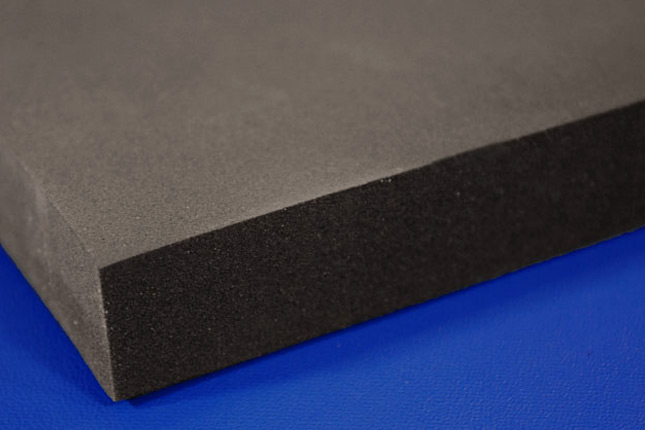
Interlocking EVA foam mats at 20 mm are warm and soft underfoot. Our guide to uses for EVA foam explains why closed cell EVA suits matting. EVA dents under heavy, concentrated loads, so keep it out of the weights corner.
Cardio Machines
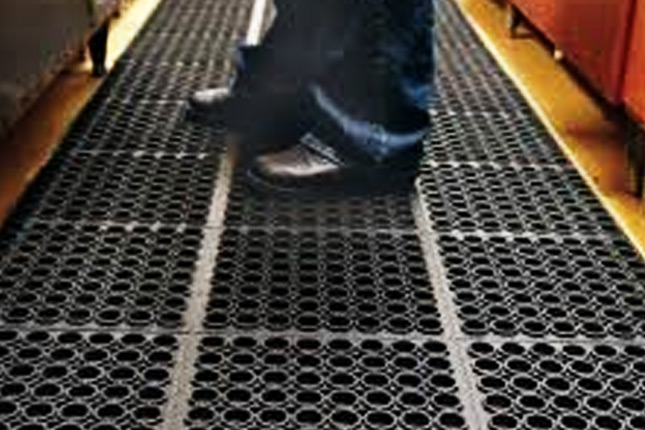
Treadmills, bikes and rowers sit better on firm rubber matting than on foam. Rubber stops the feet sinking, cuts vibration and keeps the machine from walking across the floor.
Dumbbells and Kettlebells
Rubber gym flooring at 12 mm is the starting point where dumbbells and kettlebells get put down. Step up to our 16 mm Linkmat if weights get dropped rather than placed.
Barbells and Dropped Weights
Lifts that end with the bar on the floor need the most protection. Build a layered rubber platform where the bar lands, rather than relying on a single mat over tiles or a wooden floor.
Key principle: Rubber goes where the weights are and EVA goes where your body is. Most home gyms need both.
Laying Home Gym Flooring Over Tiles, Wood or a Garage Slab
Home gym flooring is only as good as the floor underneath it. Each common sub-floor in a South African house needs a slightly different approach.
- Ceramic tiles: Loose-laid rubber matting spreads a point load across several tiles. Heavy drops still need thicker rubber, or the impact can crack a tile underneath.
- Laminate and wood: Both dent under point loads. Lift a corner of the mat after a few weeks to check that no moisture is trapped underneath.
- New screed: Let fresh screed dry fully before covering it with any mat.
- Garage slab: Slabs are often sloped and damp at the edges. Interlocking rubber mats suit them because single tiles lift out to let the floor dry.
- Carpet: Lift it if you can. Mats laid over carpet shift and sink under load.
New rubber can carry a smell for the first while. Unroll new matting somewhere open for a few days before it goes down indoors.
Before You Lay the Floor
- Measure the room and mark the lifting zone.
- Sweep, wash and fully dry the sub-floor.
- Check for damp, cracks and slope.
- Start at the far wall and cut the edge pieces last.
Home Gym Flooring in Rented Homes and Flats
Interlocking tiles lock on their own edges with no adhesive, so the floor lifts out when the lease ends. A damaged tile means replacing one tile, not the whole floor.
In a flat or on an upper floor, impact noise is the main complaint from neighbours. Keep heavy work on rubber and lower weights to the floor instead of dropping them.
Resources
- iFoam, gym flooring.
- iFoam, gym flooring options compared.
- iFoam, interlocking rubber mats and floor tiles.
- iFoam, industrial rubber matting.
- iFoam, uses for EVA foam.
Frequently Asked Questions
What is the best flooring for a home gym?
Rubber matting is the usual choice wherever weights are used, because it absorbs impact and protects the floor below. Interlocking EVA mats suit yoga, stretching and bodyweight training. Many home gyms combine the two, with rubber in the lifting corner and EVA everywhere else.
Can you put rubber gym mats on tiles?
Yes. Rubber matting laid loose over ceramic tiles spreads the load of a dropped weight across several tiles at once. Clean and dry the tiles first. Heavy drops still need thicker rubber or a layered platform to stop a tile cracking.
How thick should home gym flooring be?
It depends on the heaviest load. Bodyweight and stretching work suits 20 mm EVA. Dumbbell training starts at 12 mm rubber, and weights that get dropped need 16 mm rubber or a layered platform.
Is rubber flooring good for a garage gym?
Yes. Rubber takes the impact of weights and copes with a cold, rough concrete slab. Interlocking tiles work well in garages because they lift out for cleaning, and they come up again when the space is needed for a car.
Final Thoughts
Good home gym flooring starts with the heaviest lift, then the floor underneath, then how often the room has to change. We cut rubber matting and interlocking mats to the size of your room at our Cape Town and Durban branches, quote per square metre and deliver anywhere in South Africa. Send us the room size, the sub-floor and your heaviest lift, and request a quote for your home gym flooring.