
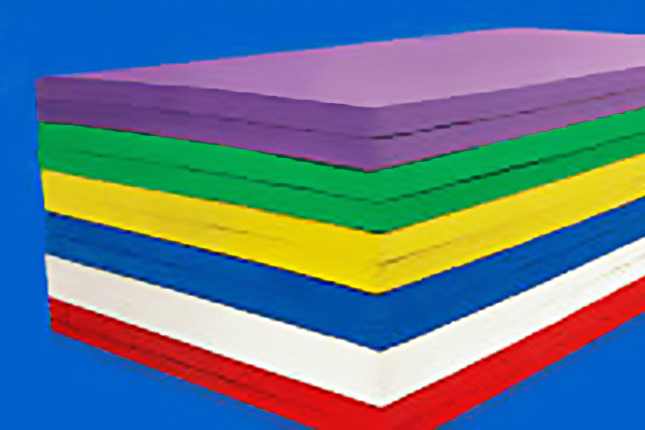
There are several main foam types, and each one is made for a different mix of load, moisture, temperature and use. Picking the right one comes down to what the foam must do and where it will be used.
iFoam supplies foam and rubber cut to size from its Cape Town and Durban branches. This guide covers the main foam types, how they differ and which suits each job, with links to more detailed guides along the way.
Foam Types at a Glance
| Foam type | Cell structure | Typical uses | Strengths | Limits |
|---|---|---|---|---|
| Polyurethane (PU) | Open-cell | Cushions, mattresses, upholstery and packaging | Comfortable, easy to cut, many grades | Absorbs water and breaks down in sunlight |
| Memory foam | Open-cell | Mattress toppers, pillows and comfort cushions | Moulds to the body and spreads pressure | Slow to recover and holds heat |
| PE (polyethylene) | Closed-cell | Packaging, pipe lagging, underlays and expansion joints | Water-resistant, light and chemically stable | Firmer and less springy than PU |
| EVA | Closed-cell | Gym and play mats, padding, tool inserts and cosplay | Tough, cushions impact and resists water | Can dent under heavy, constant load |
| Neoprene and rubber | Closed-cell | Gaskets, seals, padding and anti-vibration pads | Resists oil, ozone and weather | Heavier and dearer than PE or PU |
| Acoustic foam | Open-cell | Studios, offices, call centres and plant rooms | Absorbs echo and is easy to fit | Does not block sound between rooms |
Cell structure is the first split. The guide to open-cell vs closed-cell foam explains it in full, and the PE vs EVA foam comparison helps when the choice comes down to those two.
Polyurethane (PU) Foam
Flexible polyurethane foam is the most common foam in furniture and bedding. It is made by reacting two liquid chemicals that expand into an open-cell structure, and the recipe sets its density and feel.
- Typical density: Around 18 to 35 kg/m³ for general grades, with denser grades for seating used every day.
- Feel: Firmness is set separately from density, so a dense foam can still feel soft.
- Weak spots: It soaks up water and breaks down in direct sunlight unless it is covered.
Choose PU for cushions, mattresses, upholstery and general padding. For seats, see the guide to high-density foam for couch cushions, and for re-stuffing, the upholstery foam guide.
Memory Foam
Memory foam is a slow-recovering polyurethane foam. It softens with body heat and pressure, moulds to the shape pressing on it, then slowly returns to its original form.
- Typical density: Around 40 to 85 kg/m³.
- Strength: It spreads pressure evenly, which suits long periods of lying or sitting.
- Weak spots: It recovers slowly and holds more heat than standard PU.
Choose memory foam for mattress toppers, pillows and comfort cushions. iFoam supplies memory foam cut to size in Durban and Cape Town, and the guide to the best foam for mattresses compares it with high-density PU.
Polyethylene (PE) Foam
PE foam is a closed-cell foam made from expanded polyethylene. Its sealed cells keep out water and most chemicals, and its cut edges stay clean.
- Typical density: iFoam’s closed-cell sheet range covers 30 to 120 kg/m³ across PE and EVA.
- Strengths: It is light, water-resistant and chemically stable.
- Weak spots: It is firmer and less springy than PU, so it is not a comfort foam.
Choose PE for packaging inserts, void fill, pipe lagging, underlays and expansion joints. The guide to PE foam vs PU foam compares the two for packaging.
EVA Foam
EVA (ethylene-vinyl acetate) is a closed-cell foam that is softer and more rubbery than PE. It takes knocks well, does not absorb water and holds up outdoors.
- Typical density: Around 60 to 120 kg/m³ for flooring and heavy-duty grades.
- Strengths: It absorbs impact, resists water and keeps its shape under repeated use.
- Weak spots: Constant heavy loads can leave permanent dents.
Choose EVA for foam mats for gyms and play areas, sports padding, tool drawer inserts and craft work. The guide to EVA foam uses covers more applications, and iFoam supplies EVA foam in Cape Town and Durban.
Open-Cell vs Closed-Cell Foam
Every foam is made of tiny cells. In open-cell foam the cell walls are broken, so air and water move through it. In closed-cell foam each cell is sealed.
| Property | Open-cell | Closed-cell |
|---|---|---|
| Water resistance | Low | High |
| Feel | Soft and breathable | Firmer and springier |
| Insulation | Lower | Higher |
| Floats | No | Yes |
| Examples | PU, memory foam and acoustic foam | PE, EVA and neoprene |
Neoprene and Rubber Foam
Neoprene is a synthetic rubber made in solid and sponge forms. It resists oils, ozone and weathering, and works between roughly -40°C and around +100°C. EPDM rubber copes with higher heat, up to around 120°C.
Choose neoprene or rubber for gaskets, seals, protective padding and anti-vibration pads. See the guide to what neoprene is, the guide to rubber gaskets and sealing strips and iFoam’s neoprene sponge in Cape Town.
Acoustic Foam
Acoustic foam is an open-cell foam with a profiled face, such as pyramid, wedge or convoluted (egg box). The open cells absorb sound reflections inside a room, which cuts echo. It does not stop sound passing through walls.
iFoam’s acoustic range includes Procell pyramid and wedge panels, convoluted foam and fire-resistant Procell foam for generator and engine rooms. For more, see sound absorbing panels for offices and restaurants and soundproofing on a budget.
How to Choose the Right Foam
- Define the job: Decide what the foam must do: cushion, protect, seal, insulate, absorb sound or cover a floor.
- Check the conditions: Note any water, sunlight, oil, heat or constant heavy load, as these rule out open-cell foams.
- Set the density: Choose a density that will last under the expected load, using the foam density chart as a guide.
- Check special needs: Confirm any fire rating, food contact or other requirement before ordering.
Key principle: density decides how long foam lasts, and firmness decides how it feels. Specify both, not one or the other.
Myth: The densest foam is always the best choice.
Reality: Dense foam lasts longer, but the wrong firmness or foam type can still make it unsuitable. Match the foam to the job first.
| Job | Foam to use | Why |
|---|---|---|
| Upholstery and furniture | PU, medium to high density | Comfort and a wide range of grades |
| Mattresses and toppers | PU or memory foam | Support and pressure relief |
| Protective packaging | PE or EVA | Closed-cell and water-resistant |
| Gaskets and seals | Neoprene or EPDM rubber | Resists oil, ozone and weather |
| Gym and play floors | EVA interlocking mats | Cushions impact and lasts |
| Sound absorption | Acoustic foam | Open cells absorb echo |
| Outdoor and marine | PE, EVA or neoprene | Closed cells keep water out |
Key Terms Explained
PU (polyurethane): The most common flexible foam, used for cushions, mattresses and padding.
PE (polyethylene): A closed-cell foam that resists water and chemicals, used for packaging and insulation.
EVA (ethylene-vinyl acetate): A closed-cell foam that is softer and more rubbery than PE, used for mats and padding.
Memory foam: A slow-recovering polyurethane foam that moulds to the body.
Density (kg/m³): The weight of one cubic metre of foam. It is the best single guide to how long foam will last.
ILD: A firmness rating showing how much force it takes to press foam down by a set amount.
Closed-cell: Foam with sealed cells that keep water out and help it float.
Open-cell: Foam with connected cells that let air through, making it soft and breathable.
NRC: A 0 to 1 rating of how much sound a material absorbs, used for acoustic foam.
Resources
- iFoam, foam and rubber product range.
- iFoam, foam density chart.
- iFoam, open-cell vs closed-cell foam.
- iFoam, PE vs EVA foam.
- iFoam, foam cut to size.
- ASTM International, ASTM D3574, test methods for flexible cellular materials.
Frequently Asked Questions
What is the most common type of foam?
Flexible polyurethane foam is the most common. It is used in sofas, mattresses, car seats and general padding because it is comfortable, easy to cut and made in many grades.
What is the difference between open-cell and closed-cell foam?
Open-cell foam has connected cells that let air and water through, so it is soft and breathable. Closed-cell foam has sealed cells, so it resists water and feels firmer.
Which foam is best for couch cushions?
Flexible PU foam is the standard choice. For seats used every day, 30 to 36 kg/m³ is a good starting point, with lighter foam for back cushions.
Is PE foam the same as EVA foam?
No. Both are closed-cell, but EVA is softer and more rubbery while PE is firmer. EVA suits mats and impact padding, and PE suits packaging and insulation.
What foam is used for soundproofing?
Acoustic foam absorbs echo inside a room but does not block sound between rooms. Stopping sound passing through walls needs mass and airtight construction.
What is foam rubber?
The term is used loosely. Strictly it means rubber in sponge form, such as neoprene, but people often use it for ordinary PU foam too. Name the material when it matters.
How do I know what density foam I need?
Start with the job and the load. Seating and flooring need denser foam, while packaging and acoustic foam can be lighter. A density chart gives typical ranges for each use.
Can foam be cut to custom sizes?
Yes. iFoam cuts foam and rubber to size at its Cape Town and Durban branches. Give the dimensions, foam type and density when you order.
Which foam is best for outdoor use?
Closed-cell foams such as PE, EVA and neoprene, because they do not soak up water. Standard PU foam needs a protective cover outdoors.
What is memory foam made of?
Memory foam is a polyurethane foam made with extra ingredients that slow its recovery. That gives it its moulding, pressure-spreading feel.
How do I cut foam at home?
An electric carving knife gives the cleanest cut through upholstery foam and EVA. Scissors tend to crush and tear thicker foam.
Final Thoughts
Foam types differ in cell structure, density and the conditions they can handle. Open-cell foams suit comfort and sound absorption, closed-cell foams suit wet, outdoor and sealing jobs, and rubber foams handle oil and weather.
If you are unsure which foam types suit your project, contact iFoam in Cape Town or Durban with the job, the conditions and the sizes you need.